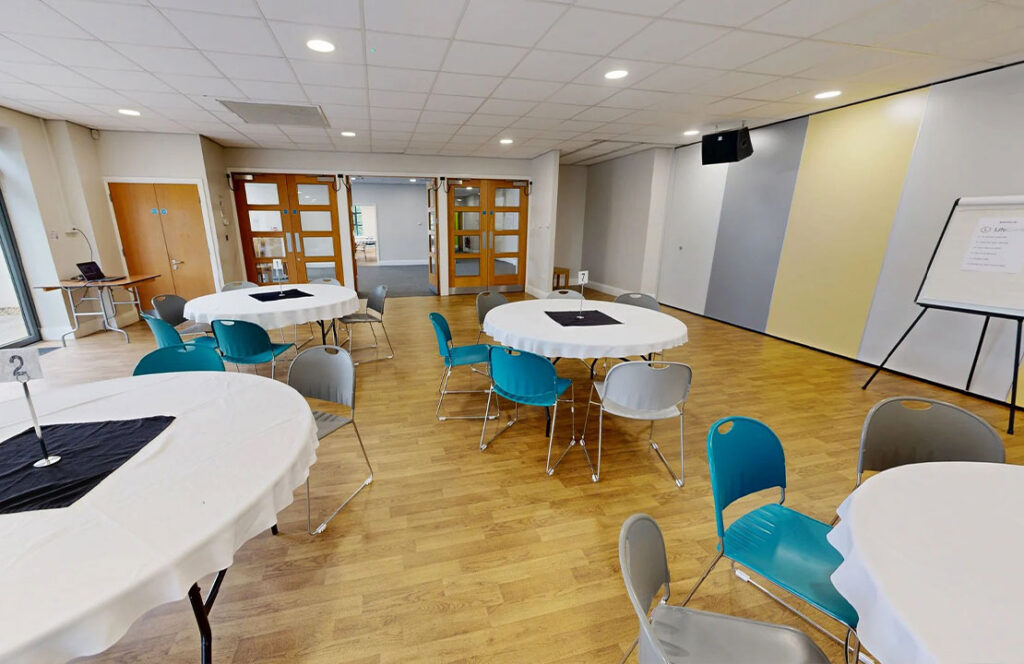
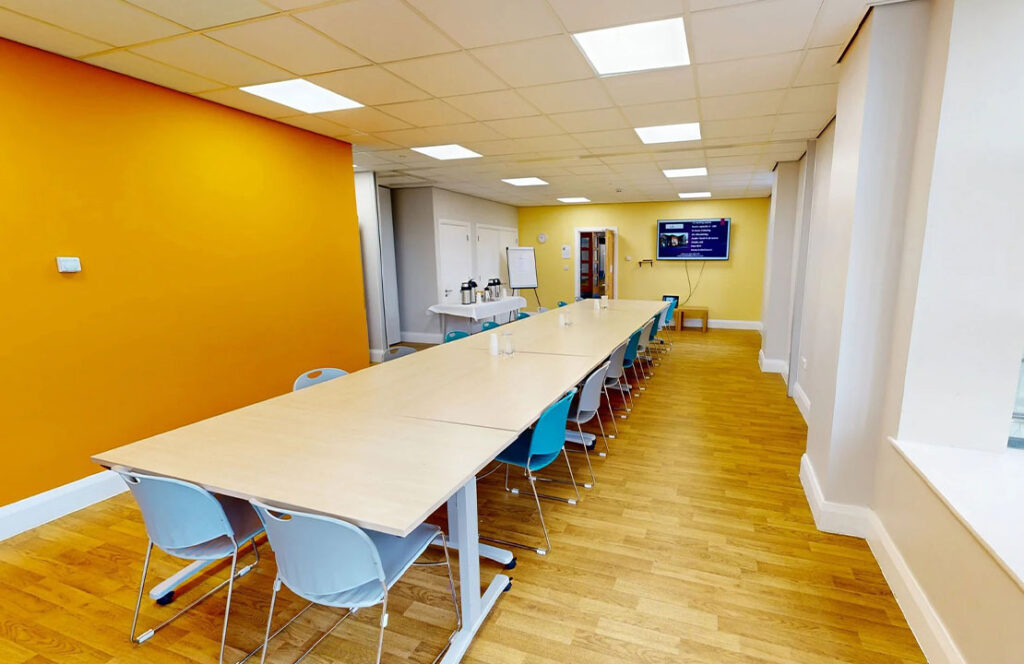
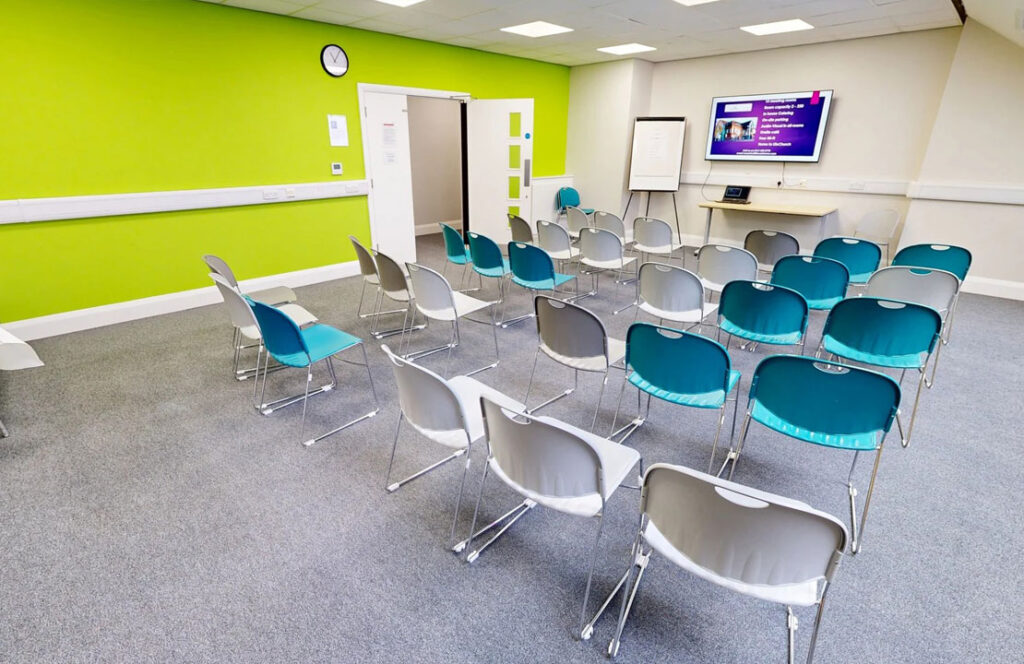
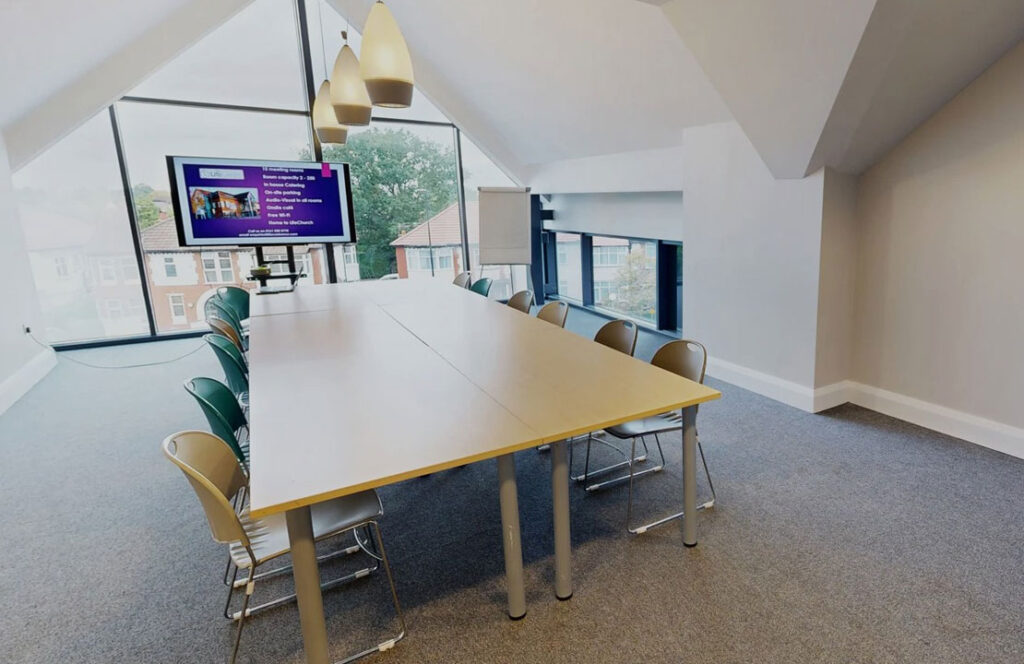
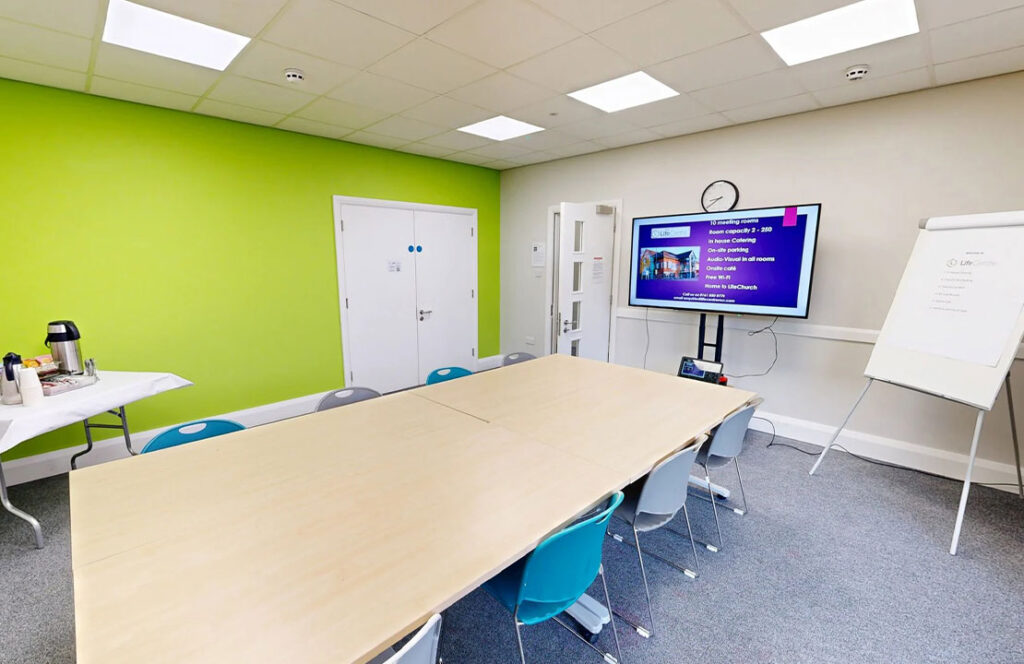
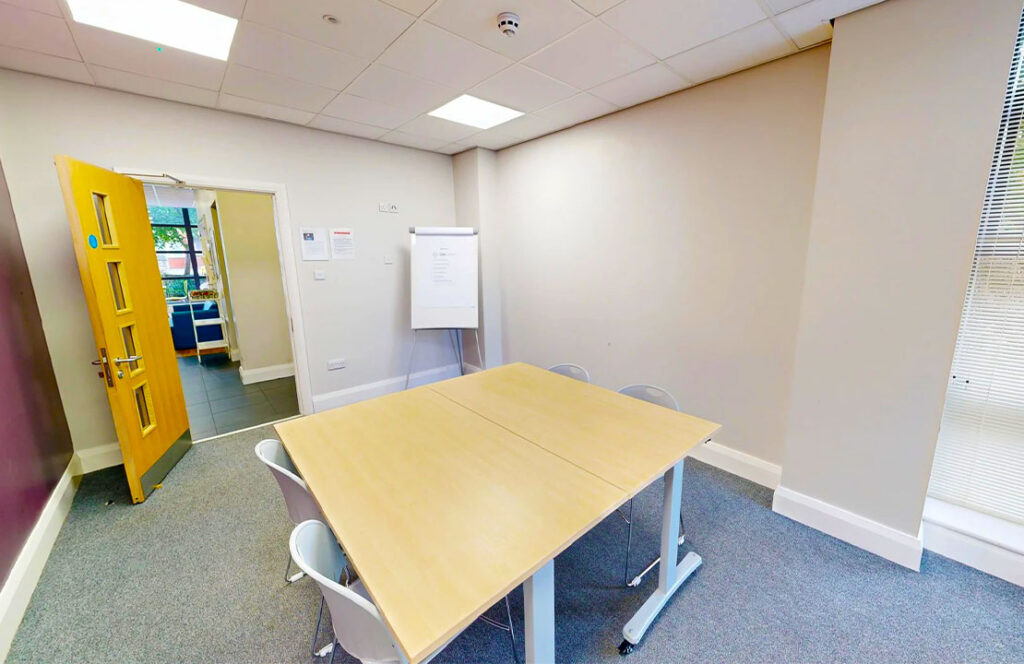
When you book a meeting room or Hall at The LifeCentre, you don’t reserve Hall 3 or Theatre B. You meet in Wilberforce. Or Luther King. Or Booth. Or Wesley. Or Liddell. Or Elliot.
The names aren’t decorative. They aren’t borrowed from streets or sponsors. Every room at The LifeCentre is named after someone whose life left a mark on the world — usually quietly, often slowly, and almost always against the odds. Not all of them changed the world in the same way. But all of them believed that faith should leave a mark on ordinary life — in politics, service, courage, leadership, sacrifice and compassion. They came from different centuries and different callings, but they shared one thing: a Christian faith strong enough to shape what they did with their lives.
Here’s who they were, and why we think they’re still worth meeting under.
Wilberforce
William Wilberforce (1759–1833) was a Member of Parliament for Hull and the public face of Britain’s parliamentary campaign to end the slave trade. He was small, often unwell, and not naturally suited to a fight. He fought it anyway — for forty-six years.
The Slave Trade Act, which made the transatlantic trade illegal across the British Empire, passed in 1807. The Slavery Abolition Act, which freed enslaved people in most of the Empire, passed in 1833 — three days before he died.
Wilberforce is a useful patron saint for the kind of meeting that nobody finds glamorous. The board review. The funding renewal. The third strategy session this quarter. Big change rarely arrives in a single conversation; it gets built, decade by decade, by people who keep showing up to the next one. The Wilberforce Room is named for that kind of work.
Luther King
Martin Luther King Jr. (1929–1968) was a Baptist minister from Atlanta who became the most recognisable voice of the American civil rights movement. He led the Montgomery bus boycott, helped found the Southern Christian Leadership Conference, wrote the Letter from Birmingham Jail, delivered “I Have a Dream” on the steps of the Lincoln Memorial, won the Nobel Peace Prize at thirty-five, and was assassinated in Memphis at thirty-nine.
What’s sometimes lost is that King’s public eloquence was built on private discipline — relentless preparation, careful coalition-building, and a moral clarity that didn’t waver under threat. He understood that words spoken well in the right room could change the air outside it.
If your team is wrestling with a hard message, a difficult announcement or a vision that needs articulating, the Luther King Room is well-named for the task.
Booth
William Booth (1829–1912) was a Methodist preacher from Nottingham who became convinced that the Victorian church wasn’t reaching the people who needed it most: the poor, the addicted, the homeless, the destitute of London’s East End. So he and his wife Catherine built something that would. In 1865 they founded what became The Salvation Army.
By the time William died in 1912, the Salvation Army was operating in fifty-eight countries, running soup kitchens, women’s shelters, employment bureaus and missing-persons services. Today it’s in more than a hundred and thirty.
The Booth Room is one of our smallest spaces — a two-person meeting room. We like the contradiction. The Booths started small too. Big institutions almost always begin in conversations that two people had in a room not much bigger than this one.
Wesley
John Wesley (1703–1791) was the Anglican clergyman who, alongside his brother Charles and George Whitefield, sparked the Methodist revival that reshaped British religious and civic life in the eighteenth century. He famously rode an estimated quarter of a million miles on horseback and preached more than forty thousand sermons. He was a man who took his message to people, rather than waiting for people to come to it.
Liddell
Eric Liddell (1902–1945) was the Scottish runner who, at the 1924 Paris Olympics, refused to compete in the 100m heats because they were held on a Sunday — a story made famous by the film Chariots of Fire. He ran the 400m instead, a distance he hadn’t trained for, and won gold. A year later he left athletics for missionary work in China, where he died in a Japanese internment camp in 1945. Survivors remembered him for giving away his food.
Wesley and Liddell are paired because they share a thread: conviction lived out in motion. The Wesley Liddell Room is one to book when your meeting is about taking something somewhere — a launch, a campaign, a journey that needs a starting point.
Elliot
Jim Elliot (1927–1956) was a young American missionary killed in Ecuador, alongside four colleagues, while attempting to make peaceful contact with the Huaorani people. He was twenty-eight. His widow, Elisabeth Elliot (1926–2015), did something almost no one expected: she returned, lived among the same community that had killed her husband, learned their language, and spent the rest of her life writing about forgiveness, faith and the cost of conviction.
Jim is best known today for a line from his journal, written years before his death: “He is no fool who gives what he cannot keep to gain what he cannot lose.”
Why we name Halls this way
There’s no shortage of meeting venues in Greater Manchester. Most of them, sensibly, label their halls with letters or numbers. We’ve chosen something different — not because we think every booking needs to feel weighty, but because we think the spaces we work in shape the work we do, even slightly.
A name at the hall entrance is a small reminder. That ideas have consequences. They came from different centuries and different callings, but they shared one thing: a Christian faith strong enough to shape what they did with their lives. That ordinary hall has, before now, held conversations that changed things. That whatever you’re meeting about today is worth your full attention.
Whether you’re running a conference quarterly review, a training day or even visit us for a Sunday service, you’re welcome in any of them.